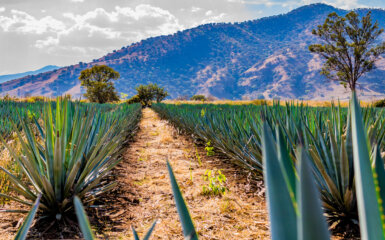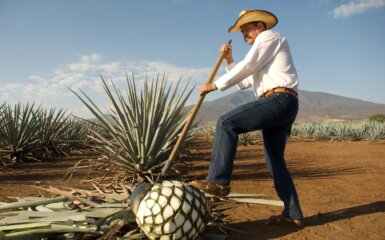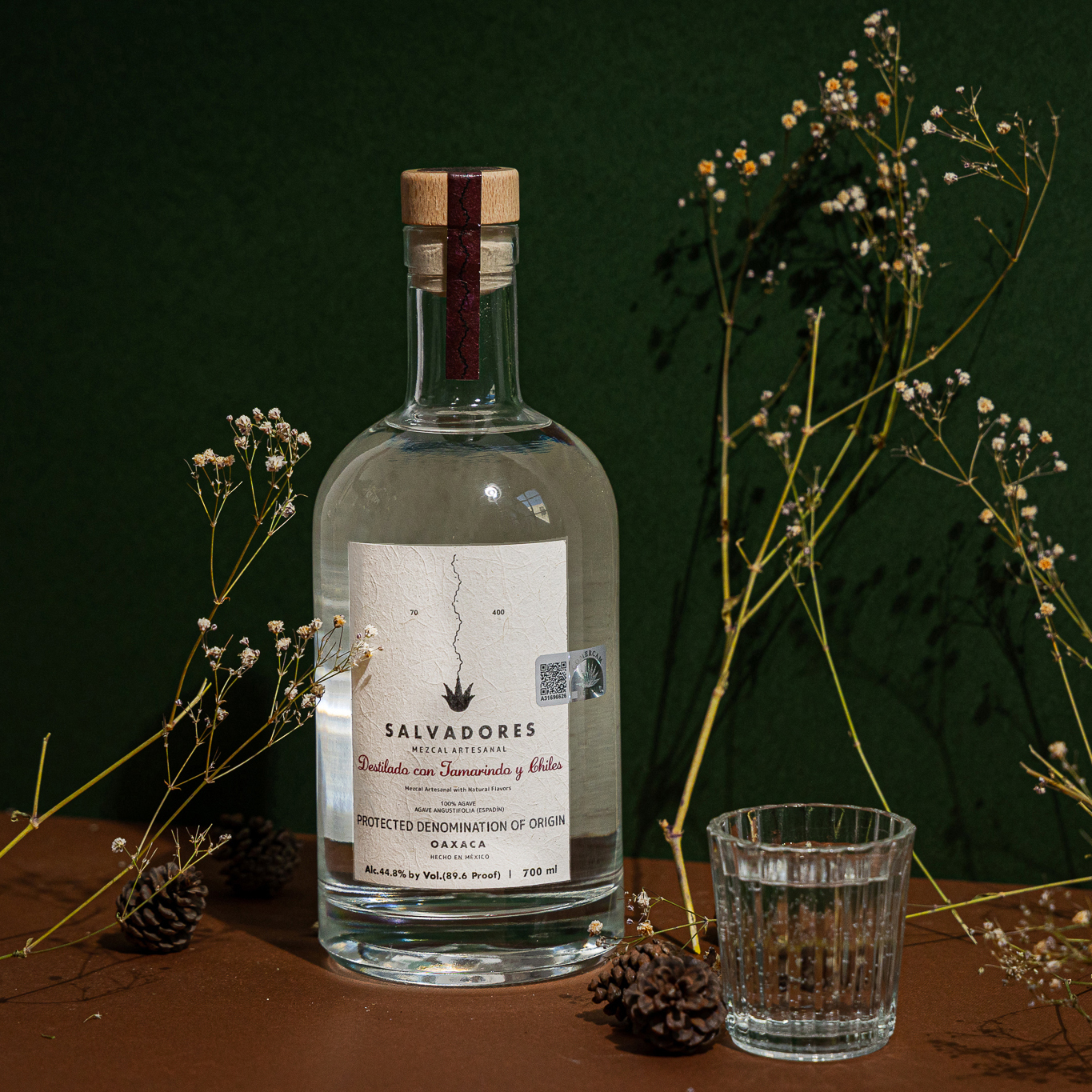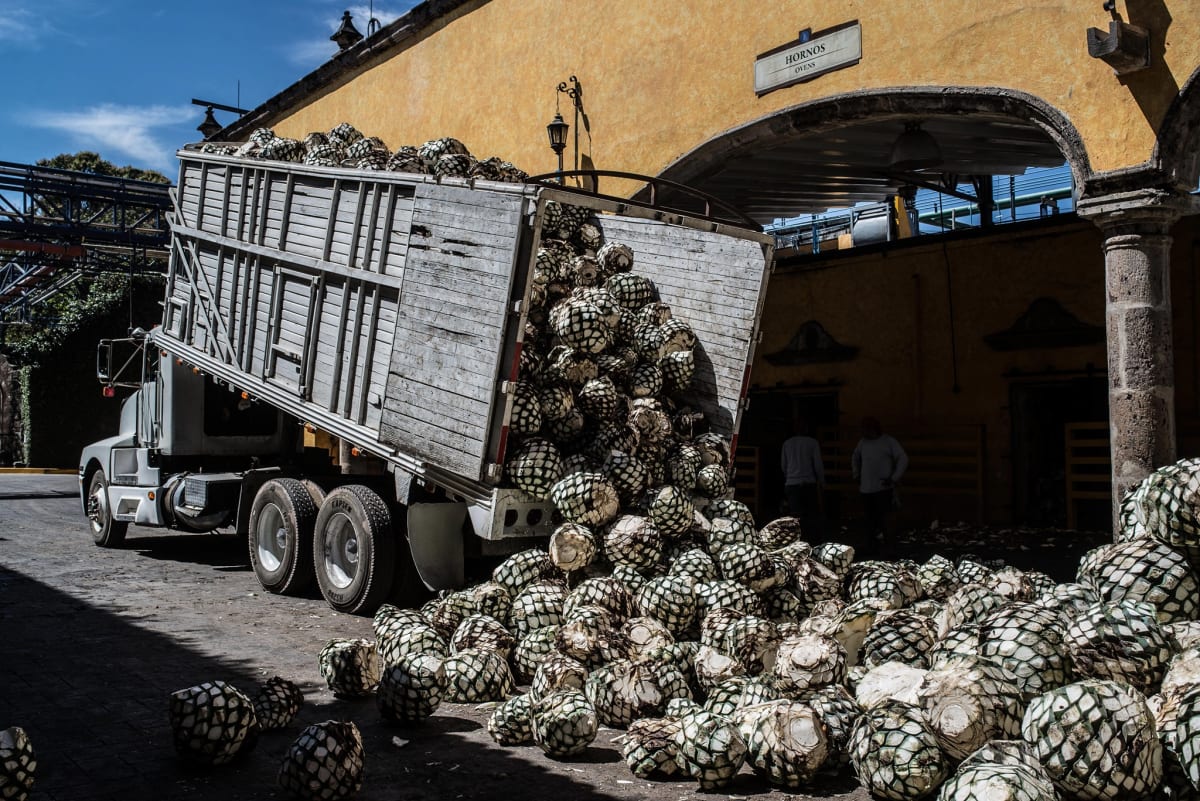
Producing 100% agave tequila is a resource-intensive process that relies on the blue Weber agave (Agave tequilana), a plant that takes between 5 to 8 years to mature. The amount of agave required per liter of tequila depends on several factors, including sugar content, production methods, and efficiency at each stage of the process.
Agave Consumption
To produce 1 liter of 100% agave tequila, a distillery needs approximately 5 to 7 kilograms of mature agave piñas. The sugar concentration of the agave, measured in Brix, determines how much fermentable material is available. Higher Brix levels (around 28–32) lead to better yields, while lower-sugar agaves require more raw material.
Water and Other Inputs
Water is another essential component, used in several stages:
- Cooking: Steam is used to convert agave starches into fermentable sugars.
- Fermentation: Water is added to dilute the cooked agave and allow yeast to transform sugars into alcohol.
- Dilution: After distillation, tequila is often adjusted to its final bottling strength (typically 38–40% ABV).
On average, producing 1 liter of tequila requires about 10 liters of water.
Production Efficiency
The tequila-making process includes cooking, milling, fermentation, and distillation. Traditional methods, such as stone ovens and tahona milling, may require more agave than industrial techniques like autoclaves and roller mills. However, traditional methods often yield richer flavors, which is why many premium brands prefer them.
The Role of Aging
If the tequila is aged (Reposado, Añejo, or Extra Añejo), some product is lost through evaporation—known as the “angel’s share”—which can reduce final yields.
Final Thoughts
Producing 100% agave tequila is a labor-intensive craft that depends on high-quality agave and careful processing. The balance between raw materials, water, and production techniques ultimately determines the flavor and character of the final spirit.