Sal de gusano, or “worm salt,” is a seasoned salt made from agave larvae, dried chillies, and salt. It is often served outside Mexico alongside tequila, but its origin and traditional use are firmly rooted in regional Mexican cuisine rather than in tequila culture.
Sal de gusano is not an Aztec or pre-Hispanic ritual seasoning. Pre-Hispanic societies in central Mexico, including the Mexica, the people later referred to as “Aztec” by European historians, did not produce distilled spirits, as distillation arrived after Spanish contact. While insects were consumed and valued as food in these cultures, there is no historical evidence of a salt made from agave larvae intended to accompany alcoholic beverages. Sal de gusano, as a seasoning, did not exist in the pre-Hispanic period.
The actual origin of sal de gusano is regional and relatively modern. It comes from Oaxaca, a southern Mexican state known for mezcal production and for long-standing traditions of eating insects. Agave larvae, particularly those from Comadia redtenbacheri, have been consumed in the region for centuries, typically toasted or ground into sauces. The creation of a seasoned salt using these larvae occurred in the twentieth century alongside the commercial growth of mezcal.
The production process is straightforward. Larvae are harvested, cleaned, toasted, dried, and ground into a fine powder. This powder is then mixed with sea salt and dried chillies, often pasilla or chilhuacle, producing a savoury, mildly spicy seasoning rich in umami. The final product is intended purely for flavour enhancement and not as a visual novelty.

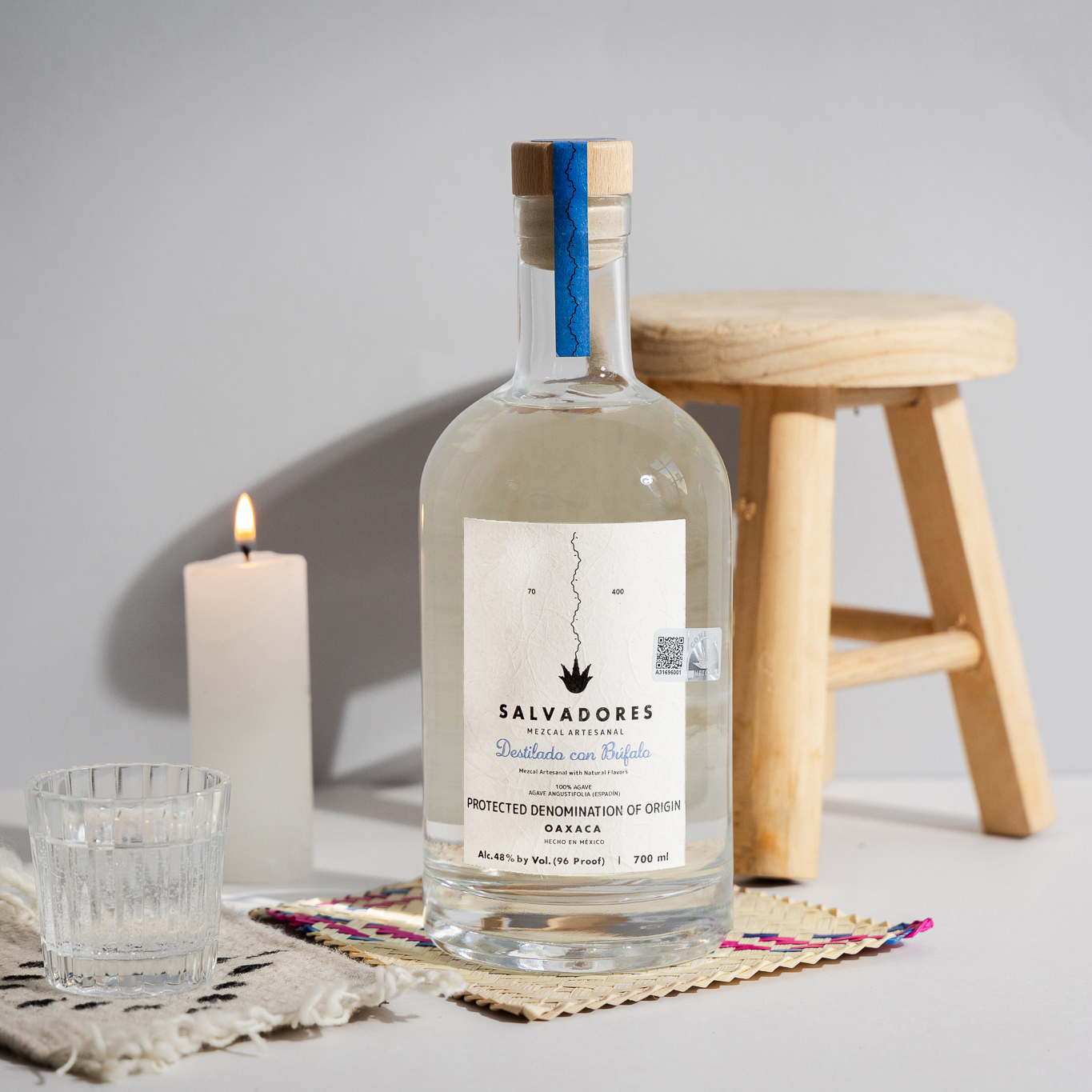
Traditionally, sal de gusano is served with mezcal and slices of orange. The orange balances the alcohol and adds sweetness and acidity, while the salt enhances aroma and depth. This pairing remains the customary use of sal de gusano in Oaxaca.
The connection to tequila developed later and primarily outside Mexico. Tequila is produced mainly in Jalisco and neighbouring states, where sal de gusano is not part of traditional consumption. Internationally, as agave spirits gained popularity, the seasoning was sometimes served with tequila due to familiarity rather than historical practice.
Sal de gusano is sometimes confused with the larva occasionally placed whole in mezcal bottles. These are entirely separate practices. Sal de gusano uses insects as a processed food ingredient, ground and blended for seasoning. A whole larva in a bottle serves no culinary purpose and does not contribute flavour.
From a nutritional perspective, sal de gusano is straightforward. Agave larvae contain protein and trace minerals, but the quantities used in seasoning are small. Like any salt-based product, sodium content is the main dietary consideration. There is no evidence of special health benefits or health risks when consumed in typical culinary amounts.
In summary, sal de gusano is a modern regional condiment rooted in Oaxacan food culture. Its development reflects practical cuisine and flavour pairing with mezcal rather than ritual, novelty, or tequila tradition. Understanding its origins and preparation highlights it as a functional seasoning with a distinct place in Mexican gastronomy.